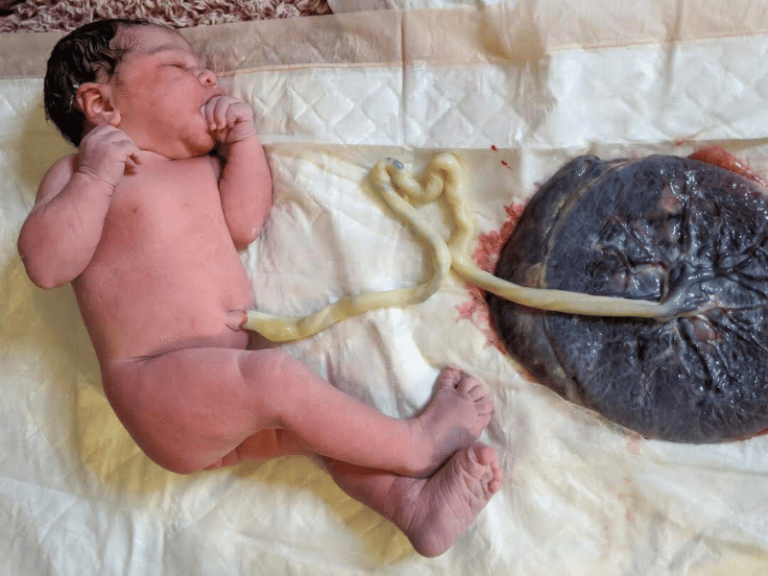
Breastfeeding is one of the best gifts you can give to your child. It offers nourishment beyond just the physical need. It provides comfort, warmth, satiety, immune support, and so much more. There is none like it. Unfortunately, our society isn’t set up to support the mother-baby dyad and breastfeeding can present some unexpected challenges… usually due to the lack of knowledge. So let’s talk about seven things that can sabotage your breastfeeding journey.
We will talk about:
- Schedules
- Pacifiers
- Sleeping away from your baby
- Pumping
- Formula
- Medicated birth
- Lack of postpartum support

1. Schedules
I remember going to a WIC appointment when I was pregnant with my first and a lactation counselor was explaining to me that my baby will eat every 2-3 hours.
But I found that to be entirely untrue when my baby was born. The time in between feeds varied completely. Sometimes, we would have multiple feeds in one hour. Sometimes, she would go a few hours in between feeds. It varied daily. During cluster feeds, she would nurse from around 5pm to 9pm, sometimes even 11pm. Schedules wouldn’t support this but cluster feeds are essential for baby development and growth.
I have found it helpful for me to simply follow my children’s cues. When they show any signs of wanting to nurse, whether it’s hunger, tiredness, teething, or the need for comfort and closeness, I nurse them.
Before I even knew what cluster feeding was, I was able to nurse my baby through hours and hours of cluster feeding, because I was following her cues. This, in turn, increased my milk supply as needed for development and I never had a supply issue.
Schedules imply that growth is linear. Babies’ development is not linear. They go through growth spurts. This is why trying to stick to a rigid schedule may become frustrating and exhausting, and can even compromise your milk supply.
Breastfeeding is a relationship. Schedules imply that breastfeeding is only for food, but breastfeeding is so much more. Breastfeeding was designed to meet every need a baby can have. Breastfeeding was designed to transition a baby from the womb to the world. It provides an environment closest to our womb.
Imagine, a baby goes from being continuously fed in utero to having to ask to be fed once out of the womb. They were constantly warm, fed, no wet or dirty diapers, darkness, and quietness with the comforting white noise of mama’s heartbeat, placenta, and other organs. They will require even more comfort now out of the womb to feel safe and calm.

2. Pacifiers
Introducing a pacifier too soon or at all can be detrimental to your breastfeeding journey.
Pacifiers are a modern invention.
Pacifiers were created to replace the breast. But the breast, by design, can not be replaced. There can be consequences when replacing the breast with a pacifier.
Here is the problem with pacifiers when it comes to breastfeeding:
Breastmilk supply depends on a supply and demand relationship. The more your baby nurses, the more milk your body produces. Even if your baby is suckling for comfort, a valid need, your body is still being signaled to produce more milk.
When your baby is about to go through a growth spurt, they often cluster feed. Cluster feeding is when babies suckle and suckle for hours at your breast, without contentment (only during the cluster feed) to signal to your body to produce much more milk for all the energy they will be expending during their growth spurt.
Now if you give them a pacifier during the hours that they would be nursing and signaling to your body to produce more milk, your body doesn’t get the memo to produce more milk. Then when your baby is going through the growth spurt and their energy needs increased and they need more milk, they won’t have enough.
In my opinion, for a successful breastfeeding journey, it is best to never use the pacifier, unless absolutely necessary, like in the car for an example.
The pacifier is often used as a bandaid for other underlying issues, like colic or purple crying, due to acid reflux, body tension, latch issues, food allergies/intolerances in the mothers diet, or V injury. It’s more beneficial for the baby long term to work with relevant specialists to resolve these issues.
I know our modern society is not supportive of our design. Our design for mothering demands that we slow down, that our village steps in to help with the adjustment, and our sole focus is on our baby and their needs. We nourish them full time, while we also are being nourished.
Our society is So. Far. Removed. from this design. Crutches, like pacifiers, really can come in handy in our broken society. Pacifiers were designed to replace the breast, so mothers can work or care for their basic needs (due to no support) or when finances aren’t available to help remedy underlying health issues.
But many women are returning to our innate design as much as they can and are getting creative to make this their reality.

3. Sleeping Away From Your Baby
We were designed to sleep next to our babies. If you bed share and breastfeed, you know it all comes naturally and feels so right. Being next to your baby, you are able to respond immediately to your baby’s needs. If your baby were to need help, you would know immediately. You help regulate your baby’s temperature, energy conservation, respiration, heart rate, hunger needs, and emotional needs by being in close contact with them.
Sleeping next to your baby goes hand in hand with breastfeeding.
Newborns have tiny stomachs. They will nurse frequently! Babies weren’t designed to take in large amounts of food, spread out over time. They were designed to breastfeed frequently in healthy amounts. Nursing throughout the night helps maintain a sufficient milk supply for your baby’s needs. Remember, breastfeeding depends on supply and demand. The more your baby nurses, the more milk is produced.
Breastfeeding is not only for food, but for other valid needs as well, such as comfort, closeness, safety, connection, etc.
Breastmilk composition changes throughout the day. Breastmilk is fattier at night, which helps babies stay satiated for longer stretches of time throughout the night, allowing you both to sleep more. It also contains high levels of tryptophan, an amino acid that helps your baby make melatonin. Melatonin helps your baby sleep better and helps regulate your baby’s circadian rhythm, (alignment with day and night).
You naturally position yourself in a “C” curl position, keeping everything away from your baby. The slightest stir or sound wakes you. Your breast is right next to your baby and they naturally stay right next to your breast for food, comfort and warmth. They wake to nurse and go right back to sleep as they suckle. Your baby nurses as much as they need to throughout the night and you wake up rested.
While you breastfeed, your body produces hormones that help YOU to fall asleep, while also being hyper aware of your baby’s movements and sounds.
This beautiful relationship and dance is the reason why sleeping next to your baby feels so natural to you. There is no need to get up. There are no baby monitors that accidentally get turned off, leaving a hungry baby to cry themselves to sleep. There is no trying to stay awake in a potentially dangerous cosleeping situation.
Learn more about bed sharing and breastfeeding:
Learn more about the safety and design of bed sharing and how to bed share safely.

4. Pumping
Just like pregnancy and birth are a physiological process, so is breastfeeding. This means your body was designed to breastfeed, and your baby was designed to be breastfed. Throughout pregnancy and in birth, your body prepares for breastfeeding. Your nipples darken. You might even begin to excrete colostrum in pregnancy. As soon as your baby is born, your hormones begin to change to initiate breastfeeding. Your baby is naturally and instinctively drawn to the smell of your breastmilk, and might even crawl up to your breast to suckle the moment they are born. Your milk composition changes throughout each day to help your baby transition and adapt to the world. It also produces antibodies to protect from and to fight sickness. It nourishes your baby through growth spurts and developmental leaps, never lacking any necessary nutrients.
Pumping is a modern invention that can be a very useful tool in many situations. Prior to pumps and formula, wet nurses existed to feed a child if breastfeeding wasn’t an option for the mother.
Pumping is not only NOT necessary for breastfeeding, it can easily sabotage your breastfeeding journey, if there aren’t any underlying issues.
As I shared before, breastfeeding depends on a supply and demand relationship. Your baby nurses, your body produces milk.
When a pump is introduced unnecessarily, it can be very easy to get caught into a cycle of overproduction, because not only is your baby telling your body to produce milk, now the pump is also telling your body to produce milk. Now your body will be producing much more milk than is necessary for your baby.
Now, if you want to save the extra milk to have a frozen stash or to donate to other mothers in need, then pumping is the way to do it.
But if your main goal is to just feed your baby only by breast, then avoid pumping.
If you started pumping and your body is producing too much milk for one feeding, you can’t just stop pumping, because your baby won’t be able to remove all of the extra milk. This leads to engorgement and potentially, clogged ducts and mastitis.
So what do you do when you feel engorged in the first couple days or weeks after your baby is born? The best way to relieve engorgement is to express milk with your hands. This is called hand expressing milk, and there are many videos on the internet that show how this can be done.
The Haakaa can also be a very helpful tool but you have to be careful to not remove too much milk.
With engorgement, you want to remove just enough milk to relieve the pressure from too much milk in your breast… just enough for your breasts to soften a little for you to not be in pain or discomfort.
When your breasts are full and milk isn’t being removed all the way, this signals to your body to produce less milk. You will notice your milk supply regulating between 2-4 months. This will look like your breasts being softer and not full most of the time, but your baby being content and growing well.

5. Formula
Formula can be necessary in many situations, and this post isn’t for you if formula was necessary in your situation. This information is for you if you aren’t aware of formula’s effect on breastfeeding and if you are interested in learning more.
Just like pregnancy and birth are a physiological process, so is breastfeeding. This means your body was designed to breastfeed, and your baby was designed to be breastfed by you.
Your body begins to produce colostrum in pregnancy, whether you see it secreting or not. Colostrum is baby’s first food. It is a nourishing, liquid gold and superfood and your body produces just the right amount for your baby as your milk transitions from colostrum to transitional milk, then to mature milk.
Your body doesn’t go from colostrum to mature milk overnight! It’s a process that usually takes up to 2 weeks. Your body transitions colostrum to mature milk according to your baby’s nutritional needs. Some women have colostrum for a day or two. Some have it for a few more days! Your body is wise and it produces just what your baby needs! It’s very individualized. Trust that!
Formula is often supplemented in the first couple days because moms are afraid that their baby isn’t getting enough.
Your baby wasn’t designed to drink a whole bottle of milk from birth!!! (Please inform your partners too! Dads sometimes pressure into using formula due to the lack of knowledge out of concern for their baby!)
Babies have a tiny stomach when they are born. It’s estimated to be the size of a marble or cherry, and only holds around 1 teaspoon, but obviously varies with each baby. Their stomach grows daily. Your baby will nurse frequently to fill up their tiny stomach.
Breastfeeding depends on a supply and demand relationship. The more your baby suckles, the more milk your body produces.
When you began to supplement your baby with formula, your baby will be taking in less of your breastmilk because they are also getting filled up with formula. Your body will produce only enough milk that your baby signals for it to produce by nursing. So if your baby is nursing less, your body will produce less breastmilk. Your body follows your baby.
Why is pumping not an accurate way to measure your breastmilk production? A pump will never be as efficient at removing breastmilk from your breast as your baby. Your baby biologically has a stronger, more comfortable, and efficient suction. You also cuddle your baby when nursing and you smell their skin. This all releases oxytocin, the hormone of love and connection, and this stimulates milk production and secretion. In most cases, you will always pump out less milk than your baby would remove by nursing.
In my experiences, the best way to know that your baby is getting enough milk is to pay attention to contentment, diaper output, and their growth.
Are they content after feeds? Does their body relax? Do they drift off to sleep peacefully?
Are they having enough pee and poo diapers? There are plenty of charts online to look up to see what this looks like.
Are they gaining weight? Not all babies have exact linear growth, but babies will gain weight as they grow.
*Something to keep in mind: if you had IV fluids labor or postpartum, your baby could have extra fluid as well. They will lose this fluid, which will appear as weight loss, but it’s not true weight loss. It’s fluid loss. So be aware that if this is your situation, you may be pressured to supplement with formula due to your baby’s “weight loss”.

6. Medicated Birth
Here are some ways that these interventions can sabotage breastfeeding:
Induction
Inductions are most commonly facilitated with Pitocin, or synthetic oxytocin. Pitocin suppresses the mother from producing oxytocin, which is essential for bonding and connecting with her baby, AND for breastfeeding. Pitocin can affect baby’s ability to nurse, mother’s milk supply, and mother’s ability to bond with her baby, which can also compromise breastfeeding.
Induction also puts stress on a baby because baby wasn’t ready to come yet. The last few weeks and days of pregnancy are crucial for baby’s development for successful breastfeeding. Baby may be born underdeveloped with underdeveloped reflexes. Baby may also be exhausted from an unnaturally difficult and stressful labor, and won’t be able to nurse as efficiently.
IV fluid
IV’s are commonly used in hospital births. The problem with IV fluid is when the body is pumped with lots of fluid, fluid will make its way into the breast tissue, causing the breasts to be extra engorged, swollen and sore, which can lead to a vicious cycle of pumping to remove milk and oversupply. (See pumping reel). It can also make it hard for baby to latch on, due to the breast being unnaturally swollen.
Baby can also absorb IV fluid, which will contribute to their birth weight. They lose the fluid in the first couple days but this extra fluid loss may be perceived as actual weight loss. Out of concern for significant weight loss, formula will be pushed, and this can cause an insufficient supply, or even sabotage breastfeeding completely.
Epidurals & medications
Medications given through epidural can pass to baby and have even been found in breastmilk.
Medications can cause baby to be born drowsy, not alert, and cause difficulties latching, suckling, and breastfeeding effectively.
Medications can also impact mother’s hormones, compromising the intricate hormonal cocktail that facilitates breastfeeding, causing issues with supply and with milk transitioning from colostrum to transitional and mature milk.
Medications can also have side effects on the mother, like a fever, which can also affect baby’s health and potentially, breastfeeding.
Mechanical interventions
Forceps delivery, vacuum extraction, suctioning, intubation, and lifting the baby out of the mother in a c-section can physically injure the baby and compromise the baby’s ability to nurse.
C-sections
C-sections require the use of IV fluids, medications, anesthesia, and antibiotics. Antibiotics can cause gut issues in mother and baby, leading to candida overgrowth, which can lead to thrush, causing painful breastfeeding for mother and baby. It may also be uncomfortable and painful for mother to nurse due to her incision wound.
Delayed skin to skin
Newborn separation from mother increases stress levels in both mother and baby, which can lead to breastfeeding difficulties. Immediate and continuous skin to skin is essential for the production of oxytocin for bonding and breastmilk production. It also regulates baby’s temperature, energy conservation, respiration, heart rate, hunger needs, and emotional needs, which helps baby to nurse effectively. It is essential to keep baby with mother as much as possible.
Sometimes, these things can be necessary or lifesaving and obviously outweigh the risks associated with them. Sometimes, these things don’t have a negative effect on breastfeeding. But often, they do, and sometimes, women simply didn’t have enough knowledge to make informed decisions. And after accepting various interventions and having a difficult or a sabotaged breastfeeding journey due to these interventions, they come to the conclusion that their body or baby is broken and they weren’t meant to breastfeed, which is completely untrue.
The cascade of interventions in mother’s birth often leads to a cascade of interventions in postpartum for both mother and baby, making breastfeeding difficult, but usually not impossible. The best thing you can do in postpartum after an interventive birth is to remain skin to skin with your baby indefinitely. Stay nourished and hydrated. Have lactation support readily available from a breastfeeding expert. Implement ecological breastfeeding practices. And don’t give up. Stay the course. Breastfeeding can provide healing in so many ways, physically, emotionally, mentally… especially after a rough birthing experience.

7. Lack Of Support
Breastfeeding is a full time job. It takes so much time to nurse your baby, while also taking care of your own needs, and possibly even the needs of other family members. Often, without support available, our needs go unmet, causing us to wean unintentionally or even purposely. It is important to intentionally connect with family members, relatives, friends, local moms, birth workers, support groups, churches, etc. to build friendships and to have people you can count on for help and support in pregnancy and in postpartum. Supporting your breastfeeding journey starts in pregnancy. Preparing and freezing meals in pregnancy for postpartum will help you stay nourished while you breastfeed. Stock up on nourishing and easy to grab snacks to eat ’round the clock as you nurse. Set up a meal train. Schedule people to come take care of your home in the first several weeks so you can just focus on breastfeeding.

How To Prepare for Breastfeeding and Your Baby’s Needs
Breastfeeding is the closest thing to your womb.
Babies are never hungry when they are in our womb. They always feel safe, warm and nourished. They are continually provided nourishment via the placenta and umbilical cord 24/7 in utero. They are provided warmth and connection 24/7 via our womb. These needs don’t change once they are born.
When they are born, everything is unknown and scary. They are exposed to feelings of hunger, thirst, cold, heat, pain, etc. They don’t understand a lot in the beginning of their journey outside of the womb. When you leave out of their sight, they become scared. You are their world.
Breastfeeding provides the most gentle transition out of your womb. Breastfeeding is the extension of the womb.
Just like your womb, breastfeeding provides nourishment, comfort, safety, closeness, temperature regulation and protection from pathogens. Breastfeeding is not only for food, it is also for comfort and medicine.
A baby that has been fully dependent on your womb for 9 months will naturally be just as dependent on you out of the womb. Your body demonstrates to you in pregnancy the need that your baby will have for you once they are out of your womb. Your baby’s needs don’t change out of the womb.
They continue to have the same need for constant nourishment, warmth, comfort, and security.
With the unfamiliarity of the world, your baby’s need for you is even greater to gently transition from the womb and aclimate to the world. Your body provides the optimal environment for your baby to develop and thrive in utero. Your baby continues to develop out of the womb and you are designed to and capable of providing the same optimal environment.
- Nurse your baby when they ask for it. Don’t follow charts or schedules. You can never nurse your baby too much. You will never nurse without meeting your baby’s need, and all of their needs are valid. If they are showing signs that they want to nurse, like sticking out their tongue, looking for your breast, suckling on your skin, clenching their fists, and starting to fuss, nurse them.
- Hold your baby close.
- Sleep with them.
- Respond to them.
Knowing this, it is wise to prepare mentally and logistically for postpartum.
- Freeze/can nourishing meals.
- Set up a meal train.
- Hire a postpartum doula.
- Have people designated to care for you for the first couple weeks of postpartum so you can rest, heal, and meet your baby’s needs.
- Mentally prepare and expect to be needed 24/7 by a newborn.
- Preparing for at least 4 weeks of postpartum rest: 1 week in bed, 1 week on the bed, 1 week around the bed, 1 week around the house.
*Disclosure: I only recommend products I have used or would use myself and all opinions expressed here are my own. This post may contain affiliate links that at no additional cost to you, I may earn a small commission.