
Childbirth Education Group Class
Imagine walking into your birth already understanding how labor unfolds, what your options are, and how to support the natural process of birth, no matter where you plan to give birth. In this in-person group class, you’ll learn the foundations of labor, practical comfort measures, and how to navigate decisions during pregnancy and birth. Through clear teaching, discussion, and hands-on learning, you’ll gain tools that help you feel more prepared for the experience of labor and birth. Whether you are planning a hospital birth, birth center birth, or home birth, this class will help you understand what to expect and how to approach birth with greater clarity and confidence.

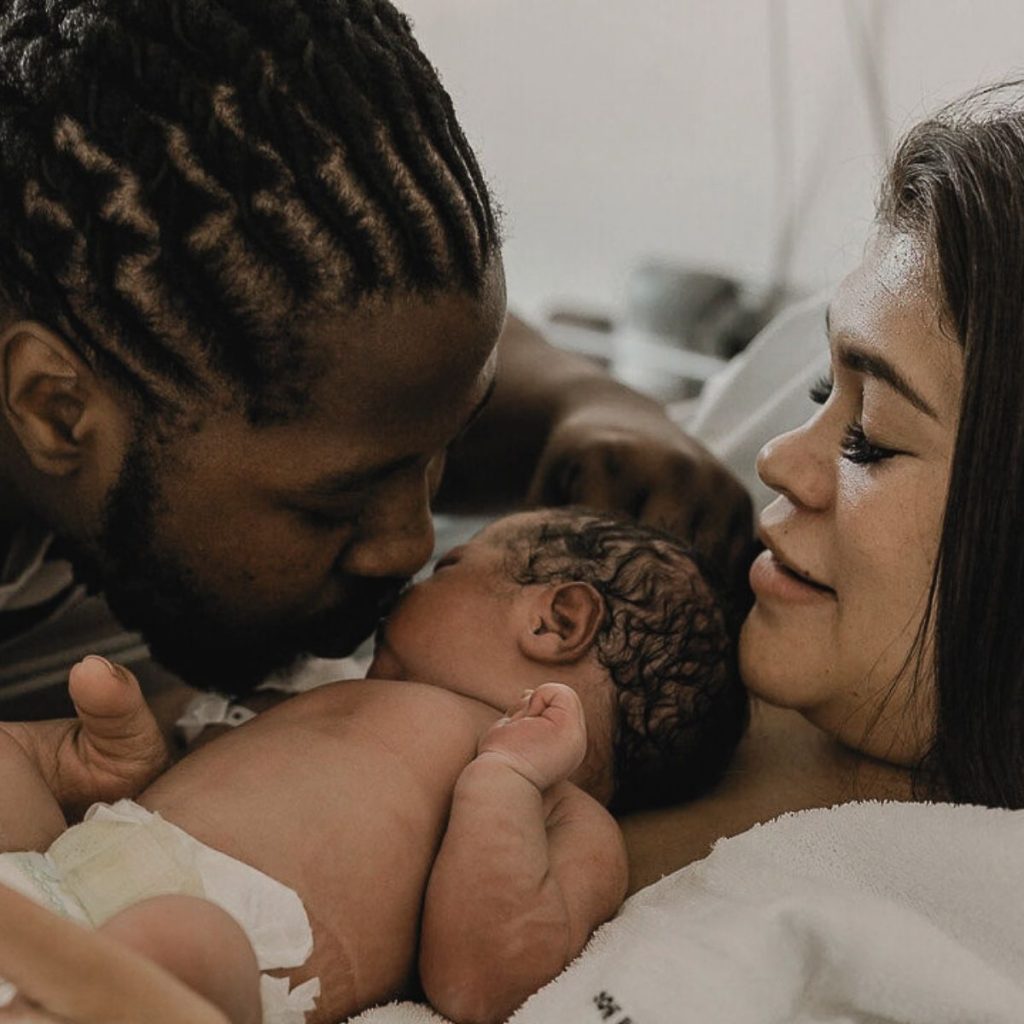
Prepare for Birth with Confidence in Just Four Class Sessions
The Childbirth Education Group Class offers a thoughtful overview of pregnancy, labor, and birth so you can better understand what is happening in your body and how to work with the process. Together, we’ll talk through the stages of labor, common interventions, comfort measures, and practical ways partners can offer support during birth.
The goal of this class is to help families approach birth with knowledge and perspective. Rather than feeling unsure about what might happen, you’ll leave with a clearer understanding of the experience of labor, the choices that may arise, and the many ways families can prepare for birth in different settings.
Do you or your partner have fear of the unknown?
For many families, the biggest source of anxiety about birth is simply not knowing what to expect. Questions about how labor begins, how it progresses, what contractions feel like, and how long things might take can leave people feeling uncertain and unprepared. Understanding the normal flow of labor and the options that may arise along the way can help bring clarity to an experience that often feels mysterious.
Do you worry about pain and coping in labor?
Pain is one of the most common concerns people have about giving birth. Many families wonder how they will handle contractions, what comfort measures actually help, and whether they will be able to cope when labor intensifies. Learning practical techniques, supportive positions, and ways partners can help during labor can make the experience feel far more manageable.
Do you feel uncertain about decisions during labor?
Birth can involve unexpected turns, and many families worry about being caught off guard by decisions or interventions they don’t fully understand. When parents know more about common procedures, typical hospital routines, and the range of choices that may arise, they are better able to navigate the experience with clarity and communicate what feels right for them.
The Heart Behind This Class

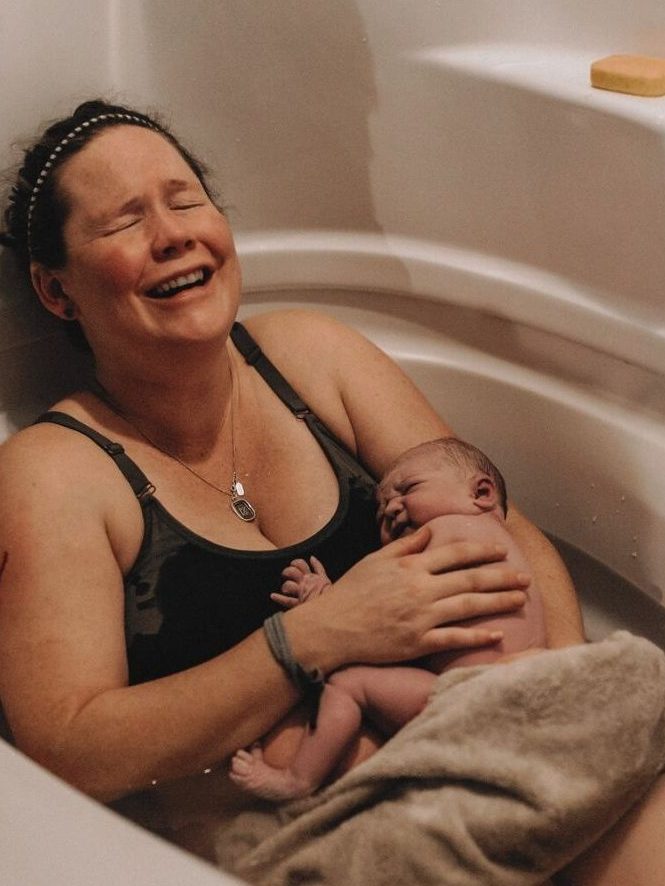
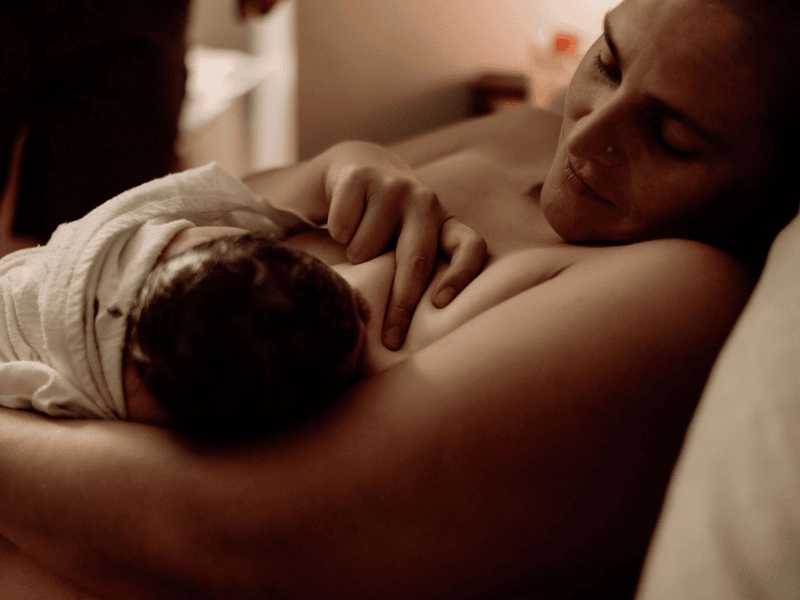
I am Arianna Tomak, a homebirth birth doula and childbirth educator serving families in North and South Carolina.
I came into this work after experiencing the powerful and transformative birth of my first child. I remember what it felt like to step into unfamiliar territory, to search for information, and to want support that respected both the intelligence of the body and the uniqueness of each woman’s experience.
Since then, I have spent years supporting families as they prepare for pregnancy, labor, and the early days of parenthood. I have worked alongside women birthing at home and in birth centers, facilitated women’s gatherings, and helped families think through their hopes, questions, and preparations for birth.
Every class I teach is shaped by both personal experience and what I have witnessed while supporting different families. No two births are exactly the same, but there are patterns to how labor unfolds and ways partners and families can prepare that make the experience more understandable and manageable.
I believe women’s bodies are intelligently designed for birth, and that education should help families understand what is happening rather than feel overwhelmed by it.
My role is not to tell you what kind of birth you should have. My role is to help you understand the process of labor, the choices that may arise, and the practical ways families can prepare so you can approach birth with greater clarity.
In this class, we talk through the stages of labor, what contractions are doing, common hospital routines and interventions, comfort measures that can support labor, and ways partners can be actively involved during the birth.
We also spend time looking beyond labor itself. Preparation for postpartum, rest, breastfeeding, and the early adjustment to life with a newborn are important parts of the journey that often receive far less attention than they deserve.
Learning together in a group setting allows families to ask questions, hear different perspectives, and gain a well-rounded understanding of the birth process. My goal is that you leave the class feeling more oriented to what lies ahead, with practical tools and a clearer picture of how to navigate the experience of birth.
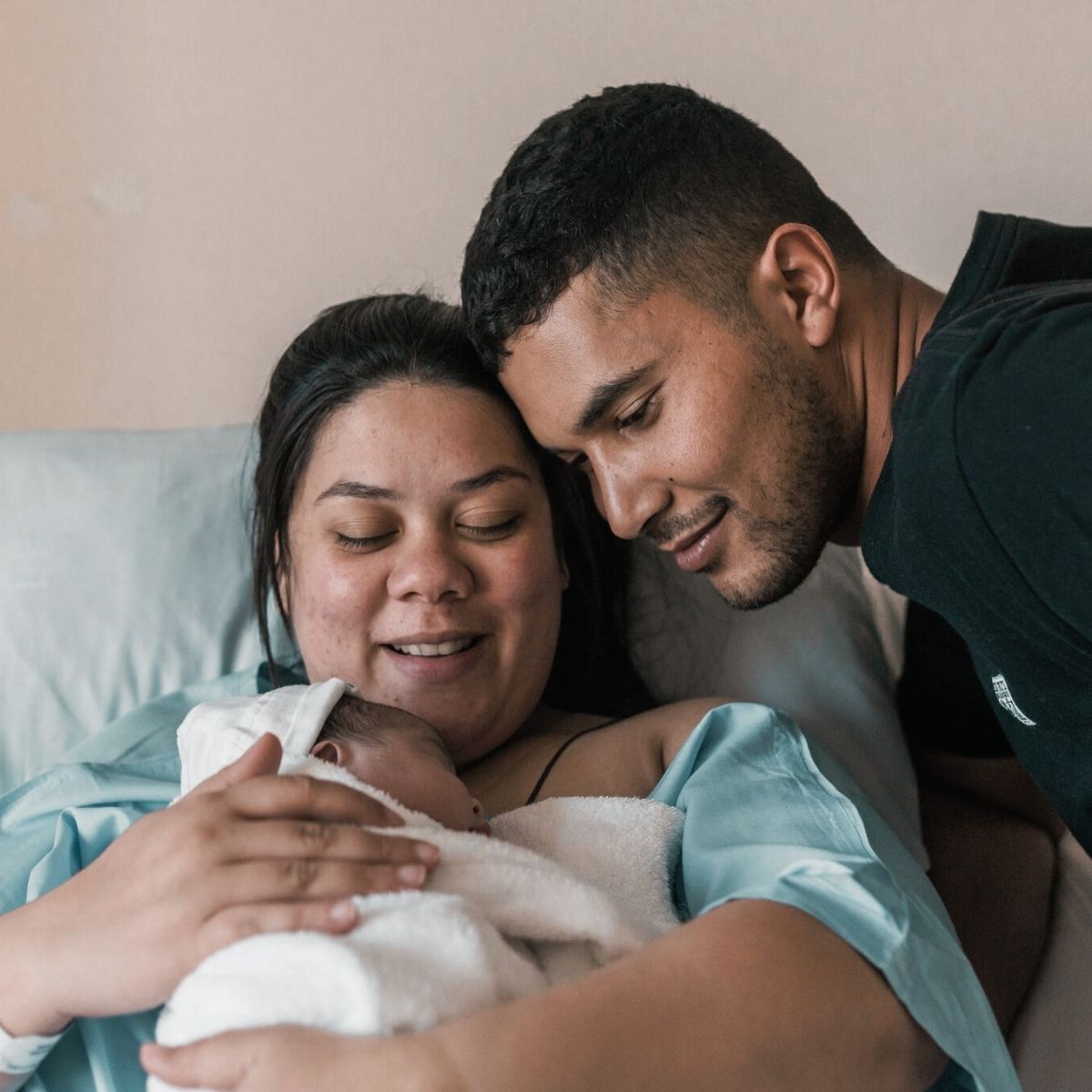
The more you understand, the more you can trust your instincts. Knowledge is the bridge between fear and confidence in birth.
Take a Look at the Curriculum
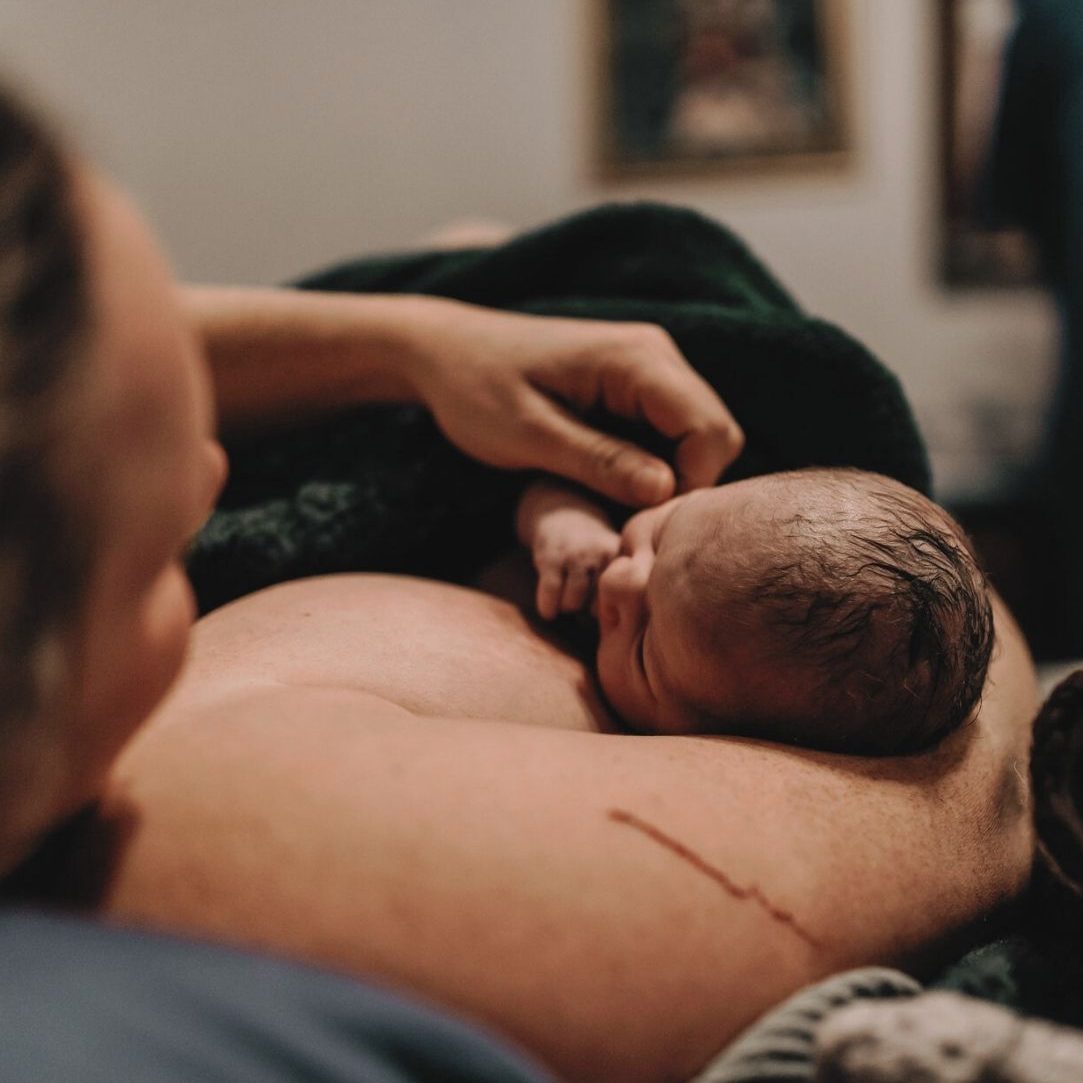
Module 1: Labor and Birth
This module covers what happens during labor and birth, from early signs through delivery. You’ll learn how labor naturally progresses, how your body communicates when it’s time to push, and the importance of following your instincts. Using evidence-based guidance and the Six Healthy Birth Practices from Lamaze, we explore how to allow labor to begin on its own, move freely during labor, and use positions that support your body’s natural rhythm. Understanding these stages helps families feel prepared and confident for the journey ahead.
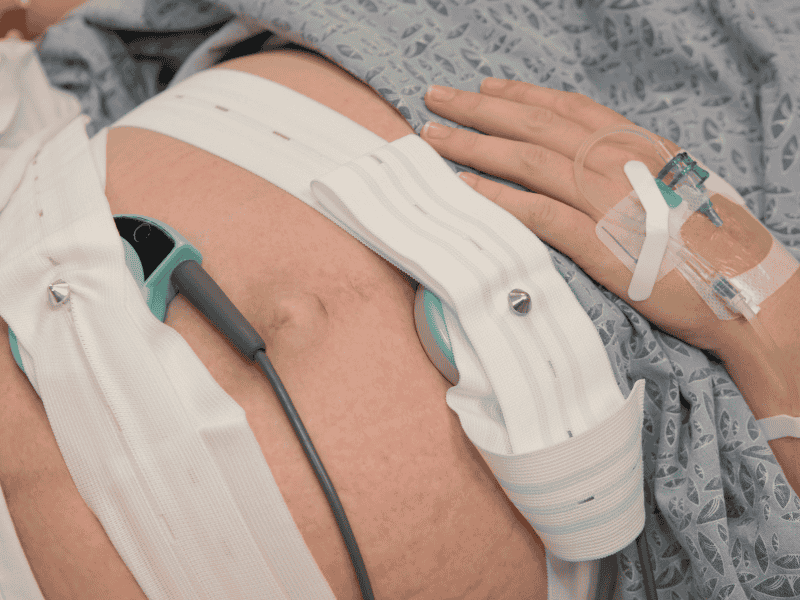
Module 2: Interventions and Variations
In this module, you’ll gain balanced, research-based information about common procedures and interventions you may encounter in different birth settings. We cover why interventions might be suggested, what options exist, and how to make informed decisions that align with your values. We also explore variations in labor and birth, emphasizing that no two experiences are exactly the same. The focus is on empowering families to understand choices and advocate for themselves while keeping birth as natural and undisturbed as possible.

Module 3: Comfort Strategies
Learn practical ways to stay comfortable and supported during labor. This module teaches positions, movement, breathing, relaxation techniques, and partner support strategies that can help labor progress more smoothly. Families also explore how the environment and emotional support influence labor, and how small adjustments can make a big difference in managing sensations and stress. These strategies are designed to be flexible for home, birth center, or hospital settings.

Module 4: Postpartum and Newborn Care
Birth is just the beginning. In this module, we cover the early postpartum period and newborn care, focusing on what to expect in the first days and weeks. Topics include physical recovery, emotional adjustment, skin-to-skin, and evidence-based breastfeeding practices aligned with Baby-Friendly® recommendations. You’ll also learn about infant cues, feeding on demand, and overcoming common breastfeeding challenges, helping families feel prepared to nurture and bond with their newborn.
You are worthy of understanding, of preparation, and of support.
Many families enter pregnancy realizing how little they have been taught about birth. What they often hear are scattered stories, strong opinions, or worst-case scenarios shared online or by well-meaning friends and relatives.
It’s common to feel unsure about what labor will actually be like, how to cope with contractions, what choices might arise in the moment, or how partners can truly be helpful during the experience.
Birth is one of the most significant events in a family’s life, yet many people move toward it without a clear understanding of how labor unfolds or how to prepare for it.
Childbirth education creates space to slow down, learn the process, and ask thoughtful questions before the moment arrives. When families understand what is happening in the body, what options exist in different birth environments, and how to support the natural progression of labor, the entire experience often begins to feel more understandable and less mysterious.
Preparation doesn’t remove every unknown, but it helps replace uncertainty with perspective, knowledge, and practical tools that families can carry with them into birth.
Your birth matters, your questions matter, and your experience deserves clarity, care, and respect.

Frequently Asked Questions
Await for labor with confidence and peace
Birth is not just an event to get through. It is a powerful transformational journey that your body already knows how to do.
When you understand the physiology of pregnancy, labor, birth, and postpartum, you begin to see the purpose behind the sensations, and the ways your environment and support can influence the journey. Education removes fear and anxiety, and allows you to embody a peaceful state of being in the last weeks of pregnancy and through labor. It allows you to prepare sufficiently, and face postpartum with preparedness and joy.
This course was created to give you that foundation. Together, we slow down, ask good questions, and learn how birth works when it is allowed to unfold naturally. Whether you are planning your first baby or welcoming another, you will leave with knowledge you can carry into labor, into postpartum, and into the way you remember your birth for years to come.