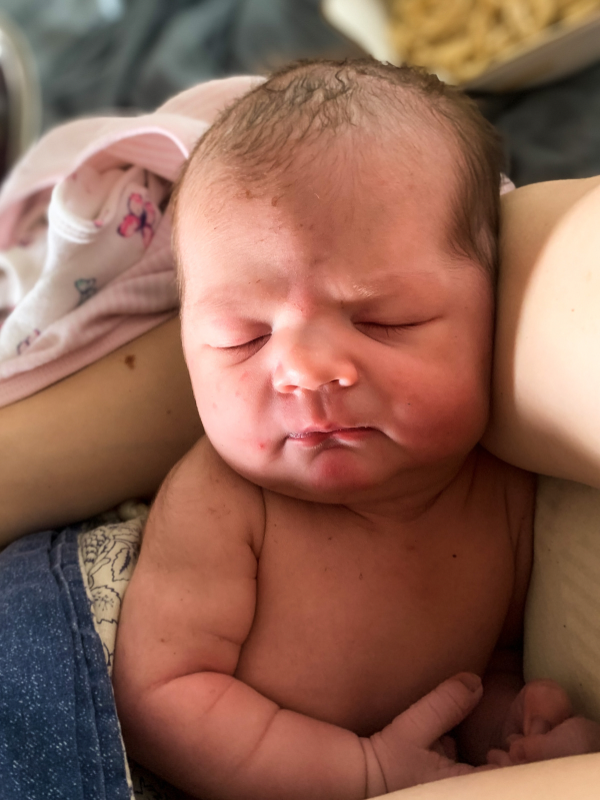
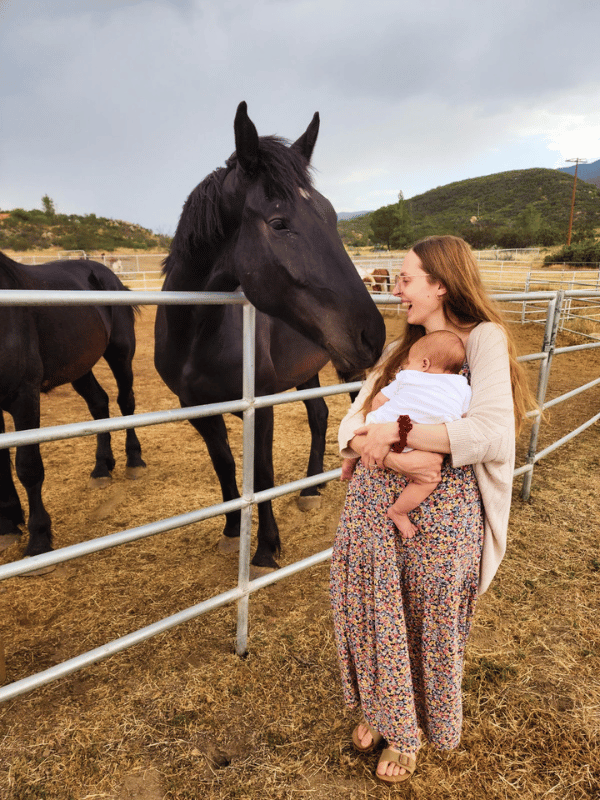
With my first child, I was able to get pregnant on the first try. The second time around, it was taking much longer. In this post, I share what was preventing my fertility, how I prepared for the next pregnancy while breastfeeding and TTC (trying to conceive), and the valuable lessons I learned on my journey of waiting.
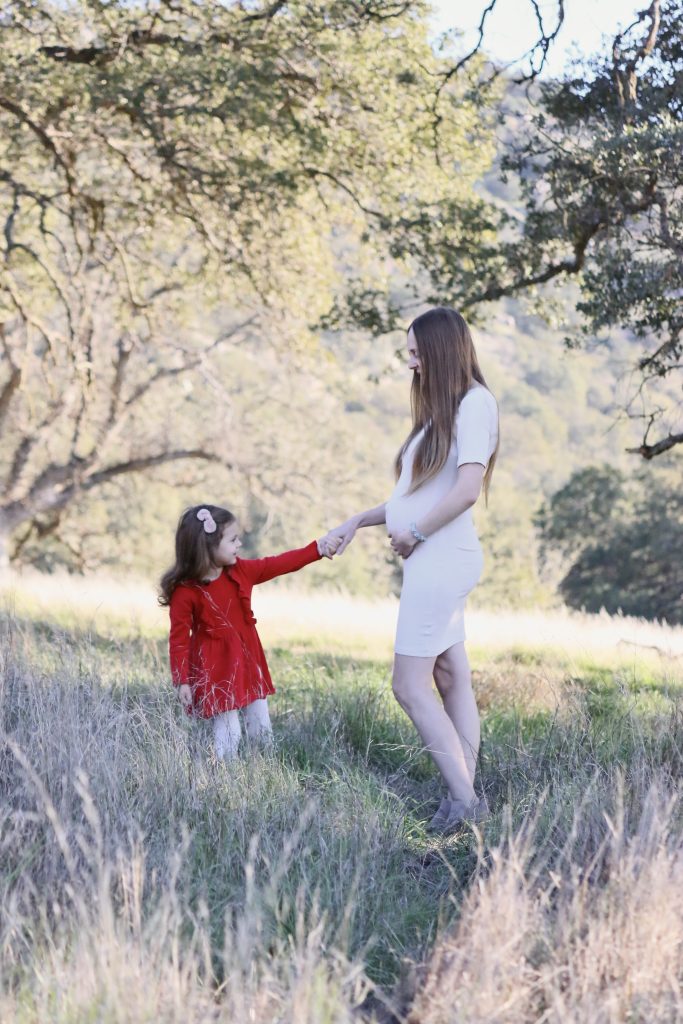
Before four months postpartum, I did not want to think about having another child for a long time. But at four months postpartum, I found myself desiring another child. Maybe it’s because breastfeeding became easier or maybe because we were out of a difficult developmental growth spurt and all of the sudden I had an angel of a child.
Is it possible to get pregnant before getting your period back?
It is possible to get pregnant in postpartum before getting your first period back. Our body always ovulates first, where the body releases an egg to be fertilized and begins to prepare the uterus for pregnancy. If the egg isn’t fertilized, we experience menstruation, or bleeding and the shedding of the uterine lining.
I made it my goal to get pregnant when I ovulate for the first time, before the return of my period. From then on, I over analyzed every bodily symptom that pointed to possible ovulation or pregnancy.
As time passed, I began to grow frustrated. Many friends who had their first babies after me were pregnant again.

Ecological breastfeeding prevented me from getting pregnant
Then I learned about “ecological” or “biological” breastfeeding and my inability to get pregnant made sense.
Ecological breastfeeding is an intuitive and primal way of breastfeeding, where you:
- Breastfeed on demand day and night
- Don’t sleep train
- Co-sleep/bed-share with baby
- Don’t use any pacifiers or bottles
- Gradually introduce small amounts of solid foods when all signs of readiness are met
- Continue to breastfeed as the primary food source for at least one year
Although it is not fool proof, it is an effective method of preventing pregnancy. Prolactin, the hormone responsible for milk production, stays elevated while breastfeeding, which naturally prevents ovulation and menstruation.
Delaying the return of menstruation can give over 98% contraceptive protection to breastfeeding moms in the first 6 months postpartum, and many moms who continue to ecologically breastfeed may still have one to two years of contraceptive protection.
Non-breastfeeding mothers are typically infertile for only a few weeks, but ecologically breastfeeding mothers usually don’t have their period return until 9-18 months postpartum, depending primarily on how often their baby nurses.
Ecological breastfeeding gives the body time to fully heal and restore itself before the next pregnancy, while also nourishing the current baby.
I was intuitively following all of the criteria of ecological breastfeeding. I exclusively breastfed my daughter on demand during the first eight months of her life. Once she showed all signs of readiness, I began to gradually introduce solid food. Breastmilk was still her primary source of nutrition for a long time.
My fertility returned
At fifteen months postpartum, my period returned and synced with the moon cycle. If that’s something you’ve never heard of, it’s when your ovulation and menstruation happens on the new moon and the full moon. Apparently there’s no science supporting this (yet)and it’s merely a “coincidence” but it’s still really cool to experience this.
I could feel every time my body ovulated, and the signs that accompanied, such as stretchy cervical mucus, confirmed it.
My husband and I weren’t intensely trying to conceive, like we did with Selena, but we were mindful and took advantage of each monthly fertile window. It was nice to have sex be about connecting and pleasure, instead of a task or a chore.
It was still so difficult to wait but during the wait, I was intentional about spending time with my daughter and focusing on preparing my body for the next pregnancy.

The importance of preconception health
I was preparing my body for the next pregnancy because I learned about the importance of optimal preconception health. I knew how depleted my body must be from pregnancy and ecological breastfeeding.
Preconception health is so important because in the first ten weeks of pregnancy, all of the major organs develop, such as the brain, spinal cord, heart, eyes, ears, tongue, tooth buds, nasal passages, limbs, and reproductive organs.
During this developmental period, nourishment of the developing baby is provided only by the fluid produced by the endometrial glands, which are found in the mucous membrane that line the uterus. There is no maternal bloodstream access to the baby until about 10-12 weeks of gestation, when the mother’s blood supply, delivered via the umbilical cord, takes over and the fluid produced by the glands of the endometrium dries up.
Therefore, your health must be optimized BEFORE conception, so that the uterine environment is healthy and ready to support the early development of the baby and the placenta.
Short spacing between pregnancies and between breastfeeding and pregnancy do not give the mom enough time to recover from the physiological stresses of the previous pregnancy before the stresses of the next pregnancy. This further depletes nutrient stores.
Going into a new pregnancy in a depleted state greatly increases your risk for pregnancy and birth complications, such as pre-eclampsia and hypertension. It also increases baby’s risk for future health problems.
Learning about the importance of preconception health helped make the wait to become pregnant worthwhile.

How I prepared my body for the next pregnancy while breastfeeding
How did I prepare my body for the next pregnancy while also nursing my daughter?
Nutrient dense diet
I focused on eating a nutrient dense diet. I incorporated plenty of pasture raised eggs, good quality meat, healthy dairy such as raw milk and cheeses, bone broth, seasonal fruit and vegetables, organ meats, healthy fats such as butter, sourdough bread, fermented foods such as sauerkraut and water kefir and so on. My focus wasn’t on the popular super foods or diets, but instead, I aimed to cook and eat food with simple, nourishing, nutrient dense ingredients. I strived to eat frequently and to eat enough.
Stress management
I focused on stress management. It’s not possible to live a completely stress free life, but it is possible to control how we respond to stress, as well as minimize it in our lives. My faith played a big role in stress management. Reading God’s promises, bringing my worries to Him and practicing gratitude were some of the most effective ways of reducing stress. I also made the time to walk barefoot on the grass and dirt outside and soak in the sunshine on my bare skin. I enjoyed listening to beautiful music. I played and danced with my daughter. I spent time with my husband. I honored when my body needed to rest and prioritized quality sleep by sleeping enough and turning off the WiFi at night. (co-sleeping made that possible)
Minimizing toxins
I worked on minimizing toxins in our home. I used air filters when we lived in Mexico due to the horrendous air quality. Once we moved to the mountains, I opened our windows instead to let in clean air as much as possible. I began to use a water filter and drank clean, re-mineralized water. I found healthy alternatives for cleaning, laundry, beauty and hygiene products. I could’ve been better about dusting and vacuuming.
I definitely wasn’t perfect in my preconception preparation but I did my best as it made sense for our family practically and financially, and I always had grace for myself.

I was finally pregnant
Finally, at 27 months postpartum, I was pregnant. I was still nursing my toddler on demand when I became pregnant.
It came as such a surprise to me because I hadn’t been over analyzing anything for a long time.
So many people told me I won’t be able to get pregnant if I continued to nurse my daughter and that I needed to wean her. I’m glad I ignored them and listened to my intuition that told me that I will get pregnant while I nurse my daughter on demand.
Breastfeeding while pregnant
I am now 29 weeks pregnant and I continue to nurse my toddler, even though my milk supply dried up at 13 weeks of pregnancy. I cut down nursing to nights only due to nipple pain and nursing aversions. I’m not sure what our breastfeeding journey will continue to look like but I will figure it out according to our needs as time goes by.
What I learned from waiting for baby #2
It wasn’t easy to wait. I had to learn to trust God’s timing and trust His design. I had to learn to listen to my intuition and to be very patient.
I learned to make the most of the wait and to not constantly live for something that I want in the future. I learned to live every single day intentionally and to the fullest.
Now that I am nearing the arrival of the baby, I realize that I have about 10-12 weeks with just my daughter. Then we will be a family of four. I am so glad that I got to spend all the time that I had with my daughter. I know that my heart will expand to love both children strongly and equally, but I also understand that the time that I had with my only child was so unique and special. I got to give my attention, time, love and comfort to only her. She had all of me.
If you have any questions about my fertility journey or if you’d like to share about your fertility journey, please share in the comment section below. I would love to listen.
Pin it for later
Watch it here:
*Disclosure: I only recommend products I would use myself and all opinions expressed here are my own. This post may contain affiliate links that at no additional cost to you, I may earn a small commission.