We’ve all heard the terms: “the terrible two’s” and “three-nager” in reference to how difficult it is to raise a toddler who is going through rapid development and growth. I’ve found my experience to be different. Here are 15 lessons I’ve learned from raising a toddler.

At what age is a child considered a toddler?
A child is considered a toddler when they are between 1-3 years of age.
Why is raising a toddler so hard?
We have a baby and become used to their only needs consisting mostly of physical needs, such as sleeping, being fed, being dry and warm, and feeling safe.
All of the sudden, we have a child with not only physical needs, but a lot of emotional needs.
What causes these changes from infancy to toddlerhood?
A baby is born with all of the neurons they’ll need for the rest of their life. From birth to around age five, at least one million neural connections are formed every second, more than any other time in life.
Daily experiences and interactions, and positive attachments with caregivers form these connections. These connections enable the child to function physically, intellectually and emotionally.
Throughout development, a toddler’s brain isn’t balanced, meaning the right part of the brain is dominant over the left. The left side of the brain takes many more years to develop, up until around age 25 in adulthood. The right part of the brain is responsible for emotional reactions, imagination, creativity and intuition. The left side of the brain is responsible for logical thinking, emotional regulation and impulse control.
Often, we expect children to behave and react on our mature level of understanding and thinking, when it is developmentally just not possible for children. Instead, children develop as they watch us model the type of behavior we would like for them to have when they are older.
While these years are difficult for us as parents, they are also difficult and overwhelming for toddlers as well.

15 Lessons I’ve Learned From Raising My Toddler
The following are some lessons I’ve learned from raising my daughter, who will be 3 years old in a few short months.
Lesson 1: Toddlers often misbehave when their basic physical needs aren’t met
Toddlers will act out if their basic physical needs aren’t met, such as hunger, tiredness, overstimulation, thirst, too cold/hot, etc. Often, if their need is met, the emotions or “bad behavior” disappears. This is especially common when the child can’t speak well yet, so their method of asking for help is to cry or scream to get attention and help.
Lesson 2: Connection is an important need
Connecting with a loved one is also an important need that can result in big feelings if it is unmet. As their parent, we are the most important person in their life. We are everything to them. They need to connect with us constantly, just like we need to connect with our loved ones to feel safe, secure and loved.
We are so busy with work and house tasks and we just can’t sit and play with our toddler all day. How can we fulfill their need for connection practically?
Take 10-30 minutes a few times throughout the day to connect with your toddler. Prior to connecting, it’s helpful to choose an activity together, explain how much time you will spend doing the activity for, and set a timer. After the time is up, remind your child that you will reconnect again in a couple hours or after you finish a certain task and suggest a couple ideas of how they can spend their time in the meantime.
Lesson 3: Boredom is beneficial for toddlers
Boredom can ignite creativity. It’s good for toddlers to experience boredom because it forces them to find creative ways of spending their time. It can be tempting to turn on a television show for them to watch all day but it’s rewarding, and even fascinating, to watch what their minds can come up with when they are bored.
Lesson 4: Less is more when it comes to toys
Toddlers don’t need a billion toys. Toys, such as Mega Bloks, Magna-Tiles, or a drawing easel, have an infinite amount of possibilities for creative play and are the most played with in our home. I find that my daughter will choose to play with things that aren’t meant to be played with, like building forts with couch cushions or roads made of books that trail all around the house.
Lesson 5: Teach your toddler how to speak correctly once
Toddlers understand so much more than we think they do. Speak to them clearly and use correct language, not “baby language”. It’s temping to repeat their pronunciation to them (it’s so cute!) but for their intellectual growth and oral development, they need to constantly hear and repeat the correct pronunciation of words. It’s very confusing to have to learn the same word twice.

Lesson 6: Let toddlers help!
Let toddlers help! They want to help. New neural connections form through positive interactions and with hands-on experiences. It does take more time to get through a task but over time, they become increasingly better at it. They’ll be doing it on their own in no time. This also serves as a connection with them, so it’s a win-win!
Some simple, practical ways that my toddler helps me:
- Helping to move a load from the washer to the dryer
- Holding the measuring spoon while I pour an ingredient into it
- Passing clean dishes to me as I put them away
Lesson 7: Toddlers don’t need a rigid schedule to thrive
Most toddlers don’t need a strict, rigid schedule to thrive. Routines can be beneficial. Follow their lead. Sometimes they need more sleep, sometimes less. Sometimes they nap, sometimes they don’t need that nap. Sometimes they eat more frequently, sometimes less frequently. Some days they have a huge appetite, other days not so much.
Their needs fluctuate depending on many factors, just like us. They aren’t robots, they’re human. Growth spurts don’t stop at 12 months of age. Toddlers continue to go through growth spurts, where sleep and behavior is impacted, like babies. Flexible routines keep that in mind and support toddler’s fluctuating needs during growth spurts and sleep progressions.
Lesson 8: Choices are beneficial
Give your toddler choices. It shows that you have the power to give them choices, but at the same time, it puts them in control of the options available to them. This makes them more likely to choose an acceptable option instead of refusing or saying “no”. It also makes them feel like their opinions and feelings matter… which they do!
Lesson 9: Boundaries are important
Setting boundaries is so important. Boundaries teach toddlers what they can or can’t do. They also teach them about safety. But you have to be consistent with the boundaries you set for your toddler to understand the seriousness of the boundary. You can’t not allow something one day and then allow it the following day, because then they will understand that the boundary doesn’t always apply or if they cry just enough, they can cross that boundary.
Lesson 10: What toddlers eat can have a big impact on their behavior
- Eating a snack or meal of just carbohydrates and no protein or fat can cause a blood sugar spike and then drop, which leads to moodiness and emotional outbursts. It’s the body’s natural response to a meal or snack of only carbohydrates. It can’t be controlled. Our adult bodies experience the same response when we eat just carbohydrates.
- Artificial coloring or food dyes are banned in many countries due to many negative effects observed in children, such as hyperactivity, lack of attention, mood swings, aggression, headaches, sleep problems and many more negative reactions. These dyes are petroleum-based and will be listed on an ingredient label as Red 40, Yellow 5, Yellow 6, Red 3, Blue 1, Blue 2, Green 3, etc.
- Certain preservatives in foods (often also mixed with food dyes), such as Sodium Benzoate, BHT, BHA, TBHQ, nitrates and nitrites, and MSG are linked with behavioral problems. MSG is an excitotoxin, which is a chemical that overstimulates the brain and exhausts neurons to death. This effect has been particularly evident in the part of the brain that is responsible for behavior, emotions and sleep cycles. MSG also stimulates tongue taste buds and enhances the flavor of food, causing the food to be craved more. MSG can also be listed on ingredient lists as hydrolyzed protein, autolyzed yeast and sodium caseinate.
- A diet high in sugar can lead to behavioral problems.
- Undiagnosed food allergies, such as dairy, eggs, nuts, corn and soy, can also cause behavioral problems.
It’s so important to be mindful of your child’s diet because children are often reprimanded for something they just don’t have control of. They can’t control how their body responds to chemicals, such as food dyes and preservatives. It’s the body’s natural response.
Lesson 11: Toxins in the home can cause behavioral problems
Toxins in homes not only cause health problems, but behavioral problems as well. Examples of toxins include fragrance and chemicals found in candles, air fresheners, cleaning and laundry supplies, hygiene and beauty products, scented toys, and so on. I will be sharing safe nontoxic products that we use and love in our home over the next several months.
Lesson 12: Breastfeeding toddlers might not eat much solids
Breastfeeding toddlers might eat much less solid food than a toddler that isn’t breastfed and that’s normal. Breastmilk doesn’t lose nutrients as children age and it is still tailored to their needs. My daughter pecked at food from when we introduced solids at 8 months, up until my milk supply dried up recently due to pregnancy, shortly after she turned 2.5. After my milk supply dried up, her appetite exploded, and I’m still trying to keep her satiated enough. Had I known this was going to be the case, I would’ve never worried of whether she was getting enough nutrients and energy from breastmilk.
Lesson 13: Toddlers have bad days too
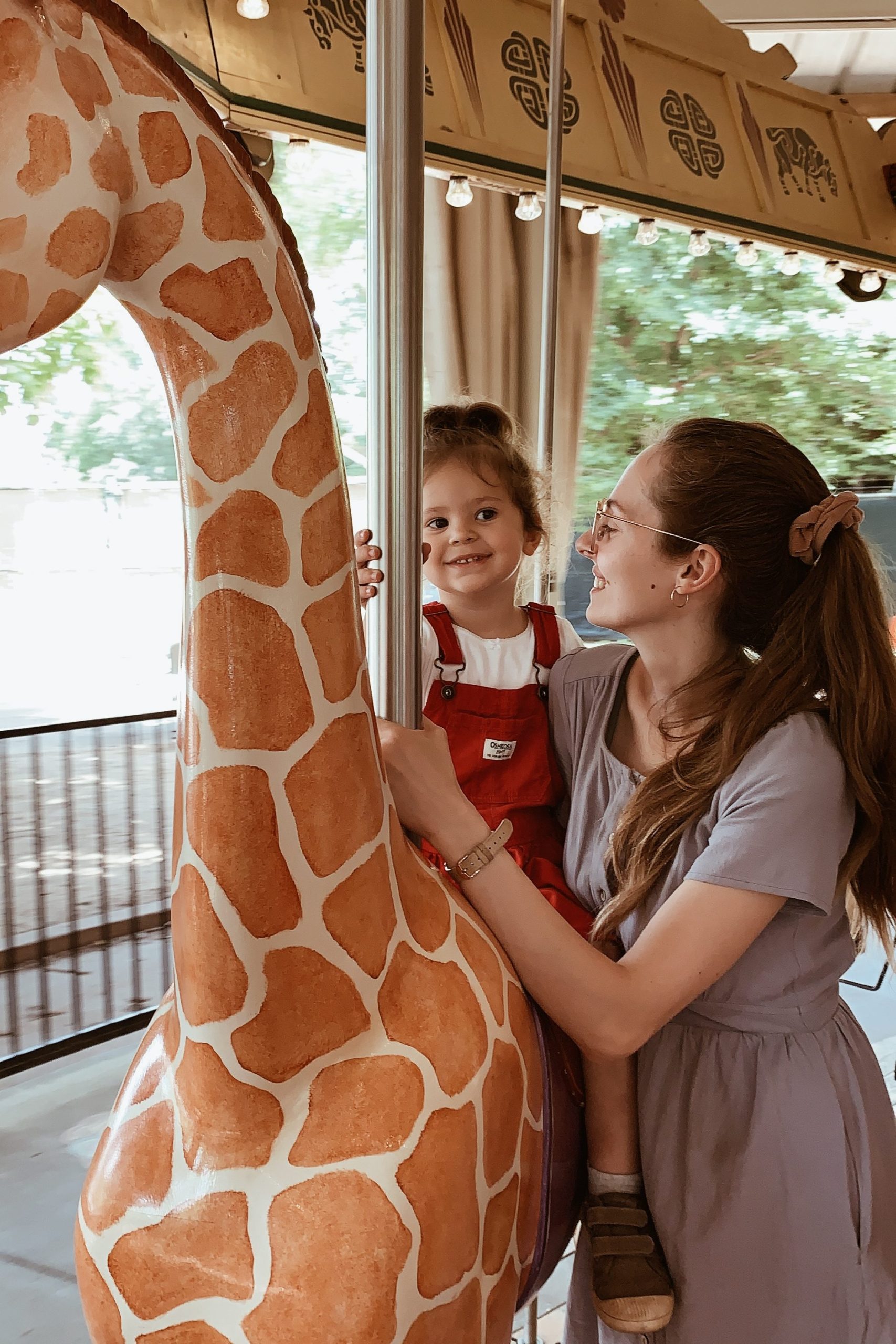
Like us, toddlers have good and bad days (and sometimes they handle bad days better than us). A bad night of sleep, hormonal changes, sickness, people they don’t coming over- all of these things have the power to influence their mood (just like us too). Extending grace is essential, just like we expect from others for ourselves as well.
Lesson 14: Your toddler is not a copy of you
Your toddler is not a copy of you. They are their own personality and character. They can’t think and act exactly like us. Sometimes it’s worth letting them figure out their own way of doing something. They usually figure out solutions that are creative and safe more often than not. Embrace their unique character and enjoy their individual personality.
Lesson 15: Monkey see, monkey do
When learning a new language, you usually understand the language before you speak it. It’s the same concept with toddlers. It’s important to remember to be mindful of our speech and interactions with others because toddlers understand so much before they speak. They watch us and learn long before they speak. They eventually copy a lot of what we do and say. It’s how their brain develops.
Be the example of who you want them to be. This includes doing uncomfortable things like apologizing to them when we mess up, because we’d want them to apologize if they did the same thing we did. We can’t expect them to act a certain way if we are modeling a completely different way. It’s wrong to punish them for something they learned from us.
Here is a quote that I love,
“If I expect my children to be kind, gentle, compassionate, and respectful, I must be kind, gentle, compassionate, and respectful. Children do not listen to the instruction of hypocrites; it is your actions that guide their actions, not your lectures or punishment.”
Rebecca Eanes

Personal reflections from raising my toddler
This list doesn’t include everything. Raising my daughter has taught me so much more.
When I got married, I realized how imperfect and selfish I was and how much growth I need. Then I had a child and I realized even more of where I need to grow and things I need to work on. I truly believe this is why God designed marriage and family the way He did. It’s to purify us and lead us to be more like Him.
God gave us wonderful tools that help us grow and keep us accountable, such as marriage and motherhood.
Raising a toddler has taught me so much about God and His patience, grace, mercy, kindness, and unconditional love for us.
It has been one of the most challenging, most rewarding and incredible journeys I’ve been on. I can’t wait to learn more.
Please share what you’ve learned in your journey of raising a toddler in the comments. I know there is so much we can glean from one another.
Shop this post
Accessories for the drawing easel: paper, non-toxic crayons
Pin it for later
Watch it here:
*Disclosure: I only recommend products I would use myself and all opinions expressed here are my own. This post may contain affiliate links that at no additional cost to you, I may earn a small commission.